



Knee cartilage problems are a common concern for many, often leading to discomfort and limiting everyday movement. With the risks and recovery times of surgery frequently prompting hesitation, more people are exploring non-surgical alternatives to manage and potentially repair damaged knee cartilage. This article offers a clear, evidence-based overview of such options – from tailored physical therapy programmes and injections to lifestyle changes and supplements. Drawing on the expertise of renowned orthopaedic specialists like Professor Paul Lee and the London Cartilage Clinic, we aim to guide you through the most effective noninvasive treatment pathways.
Understanding Knee Cartilage Damage and the Need for Noninvasive Healing
Knee cartilage is essential for cushioning bones and allowing effortless joint movement. It protects the joints when we walk, run, or climb stairs. Unfortunately, injuries, osteoarthritis, overuse, and ageing can all contribute to cartilage damage, resulting in pain, stiffness, and reduced function. Many turn to non-surgical healing approaches either as their first choice or when surgery isn't suitable. It’s important to remember that how well these treatments work depends on the type and extent of damage. That’s why an individual assessment by specialists, such as those at the London Cartilage Clinic, plays a crucial role in crafting the right treatment plan.
Physical Therapy for Knee Cartilage: Structure and Realistic Benefits
Physical therapy is often the foundation of non-surgical care for knee cartilage issues. Personalised programmes usually include stretching, muscle strengthening, and functional movement exercises. The goal is to ease pressure on the joint by improving muscle support, which can reduce pain and enhance stability. While physical therapy doesn’t regrow cartilage, it can help slow damage progression and improve how the knee functions day to day. The key to success lies in sticking with the programme and working closely with knowledgeable physiotherapists. Professor Paul Lee emphasises the importance of this targeted, patient-centred approach, delivered in a supportive clinical environment.
Knee Injections and Alternatives: Exploring Available Treatments
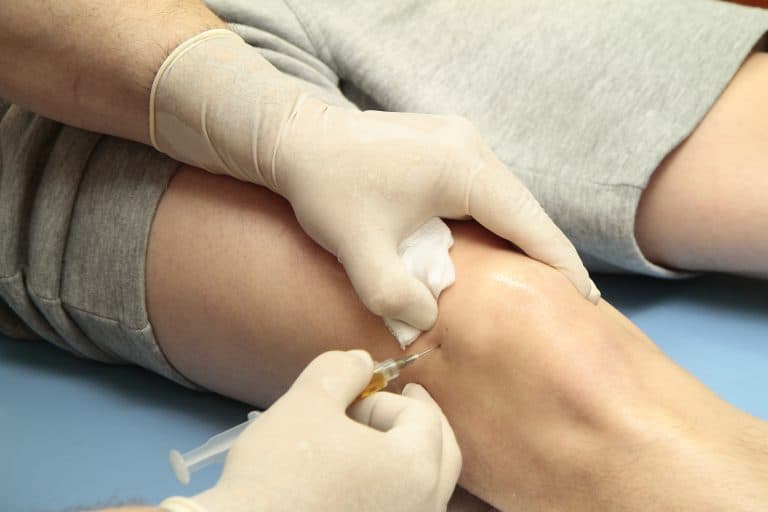
Alongside physical therapy, several injections can help manage symptoms. Hyaluronic acid injections, for example, work to lubricate the joint, potentially easing movement and discomfort. Platelet-rich plasma (PRP) uses components from your own blood to encourage healing, while corticosteroid injections reduce inflammation and pain. It’s important to understand these don’t actually regenerate the cartilage but can provide valuable symptom relief. As experts note, “Non-surgical treatment mostly consists of activity modifications, NSAID intake, splinting and corticosteroid intra-articular injections” (Corain et al., 2023). Results can vary widely, so consulting a specialist is vital to find the best treatment and set realistic expectations.
Free non-medical discussion
Not sure what to do next?
Information only · No medical advice or diagnosis.
Supporting Recovery: Lifestyle Adjustments and Supplements for Knee Health
Supporting the knee beyond clinical treatments is essential. Maintaining a healthy weight helps reduce the pressure on your joints, while low-impact activities such as cycling or swimming keep your knees moving without undue strain. Using braces or knee supports can provide added stability during activity. When it comes to supplements like glucosamine, chondroitin, or collagen, the evidence is mixed. That said, “Physical examination and clinical history are still the basic and low-cost diagnostic methods” (Corain et al., 2023), highlighting the importance of medical guidance before adding supplements to your regimen. Always consult healthcare professionals to ensure safe and effective choices tailored to your needs.

Setting Expectations and Working with Experts
It’s important to set realistic expectations: while non-surgical treatments can relieve pain, improve function, and delay surgery, they are rarely a cure, especially in advanced cartilage loss, like “bone-on-bone” cases. Getting a thorough assessment by experienced specialists – such as Professor Paul Lee, a Royal Society of Medicine and Royal College of Surgeons Ambassador – is essential. Centres like the London Cartilage Clinic provide evidence-based, patient-centred care that prioritises your individual needs, helping you navigate your recovery with expert support every step of the way.
Conclusion and Disclaimer
A well-rounded, evidence-backed non-surgical approach offers many people hope and control over knee cartilage problems. Combining physical therapy, injections, lifestyle changes, and specialist advice can help maintain joint health and mobility. Always seek personalised advice from qualified healthcare professionals before starting any treatment. For individual medical guidance, please consult your healthcare provider.
References
- Corain, M., Zanotti, F., Giardini, M., Gasperotti, L., Invernizzi, E., Biasi, V., & Lavagnolo, U. (2023). The Use of an Acellular Collagen Matrix ChondroFiller® Liquid for Trapeziometacarpal Osteoarthritis. Journal of Hand Surgery (European Volume). https://doi.org/10.1177/19476035251354926
Frequently Asked Questions
- The London Cartilage Clinic offers advanced, evidence-based non-surgical treatments and thorough individual assessments. Patients benefit from expert-led care, as Professor Paul Lee combines global techniques and research with a personal, patient-centred approach to optimise outcomes and overall knee health.
- Professor Paul Lee is recognised as a Cartilage Expert, Regional Surgical Ambassador and Royal College of Surgeon Advisor. His experience ensures patients receive tailored treatment plans based on the latest evidence, focusing on individual needs rather than a one-size-fits-all approach to knee recovery.
- Non-surgical approaches are often considered for earlier stages of cartilage damage, or when surgery isn’t suitable. Professor Lee and his team provide comprehensive assessments to determine if physical therapy, injections, or lifestyle modifications could offer meaningful benefits before considering invasive procedures.
- Physical therapy, structured and monitored by specialists, helps strengthen muscles and improve knee function. At the London Cartilage Clinic, personalised programmes are developed to reduce pain, slow progression, and maintain mobility, guided by Professor Lee’s extensive knowledge and commitment to patient success.
- A personalised assessment ensures treatments match the type and extent of cartilage damage. Professor Lee’s expertise at the London Cartilage Clinic guarantees that care is tailored, evidence-based, and prioritises patient safety, providing the best chance for improved movement and quality of life.
Legal & Medical Disclaimer
This article is written by an independent contributor and reflects their own views and experience, not necessarily those of London Cartilage Clinic. It is provided for general information and education only and does not constitute medical advice, diagnosis, or treatment.
Always seek personalised advice from a qualified healthcare professional before making decisions about your health. London Cartilage Clinic accepts no responsibility for errors, omissions, third-party content, or any loss, damage, or injury arising from reliance on this material.
If you believe this article contains inaccurate or infringing content, please contact us at [email protected].
London Cartilage Clinic
Ready to explore your options?
Our consultant-led team specialises in cartilage repair, regeneration and replacement — tailored to your diagnosis and long-term goals.
Will the Arthrosamid work for me
PAAG-8+ Questionnaire
A bright, structured entry point for patients exploring Arthrosamid. The questionnaire helps frame suitability, expectations, and 24-month clinical benefit discussion before a fuller consultant-led review.
Designed for shared decision-making. It does not replace specialist consultation, examination, imaging review, or formal medical advice.